


Heal the patterns that keep you stuck.
Therapy for High-Functioning Women Who Are Tired of Overthinking, People-Pleasing, and Carrying Everything Alone
Heal the attachment wounds, ADHD overwhelm, and nervous system patterns keeping you stuck in anxiety, perfectionism, and burnout.
On the outside, you likely come across as reliable, dependable, and thoughtful.
But internally, it feels very different.
Your mind is always running.
You revisit conversations long after they’ve ended.
It’s hard to say “no,” even when part of you wants to.
You override your own limits and end up drained.
For some, ADHD can add another layer to this experience—making it even harder to regulate attention, emotions, and follow-through, while increasing the tendency to overthink, self-monitor, or feel overwhelmed.
You might look like you have it all together—but inside, you feel anxious, exhausted, or like you’re never quite “enough.”
Let’s start your healing journey.

Let’s talk about what’s actually going on
Your earliest relationships taught you something important about how to be in the world.
From early on, you developed an attachment style based on how your needs were met—and learned how it was safe for you to show up in order to maintain connection.
For many high-functioning women, this becomes a quiet, internal belief:
I need to be good, helpful, easy, or perfect to stay connected.
Over time, this can look like people-pleasing, perfectionism, over-functioning, and constantly monitoring others.
Not because something is wrong with you—but because your system learned this is how relationships stay safe.
Your nervous system learned to adapt in order to get your needs met.
Why it’s so hard to change
These patterns aren’t just habits. They’re deeply wired responses shaped by attachment wounds and relational trauma.
When attachment wounds or relational trauma are present, your brain and body adapt. You may become highly attuned to others, quick to anticipate needs, and careful not to disappoint, often at the expense of ignoring your own needs. You might hold yourself to incredibly high standards, believing that if you just do everything “right,” you’ll finally feel secure, accepted, or enough.
But underneath that effort, there is often:
persistent anxiety or overthinking
difficulty relaxing or turning your mind off
cycles of burnout and depletion
a deep sense of not being “enough”
difficulty trusting yourself or others
patterns in relationships that feel confusing or one-sided
Your nervous system learned to adapt in order to get its needs met—becoming highly attuned to others, quick to anticipate, and careful not to disappoint.
So even when you know you want to set boundaries or do things differently, your body reacts faster than your intention.
The “yes” comes out automatically. The overthinking follows.
If ADHD is also part of your experience, it can intensify these patterns—making it harder to pause, regulate emotional responses, or follow through on boundaries in the moment.
For some people, ADHD is part of the picture.
Not everyone I work with has ADHD. But many high-functioning women discover that years of overwhelm, procrastination, chronic self-criticism, and feeling "always behind" aren't character flaws—they're signs of an ADHD brain trying to function in a world that wasn't designed for it.
You may look successful on the outside while privately struggling with executive functioning, emotional overwhelm, time blindness, or the exhaustion that comes from constantly masking and overcompensating.
Whether ADHD is the primary concern or one piece of a larger picture that includes anxiety, perfectionism, people-pleasing, or relational wounds, therapy can help you better understand yourself, work with your brain instead of against it, and build a life that feels more manageable and fulfilling.
This is why insight alone often isn’t enough.


Living this way takes a real toll.
You may experience:
Persistent anxiety or overthinking
Difficulty relaxing or turning your mind off
Cycles of burnout and depletion
A deep sense of not being “enough”
Relationships that feel one-sided or confusing
At some point, paying close attention to others helped you stay connected or avoid conflict.
Now, your system keeps doing it automatically—even when your life no longer requires it.
Let’s make a shift
Fortunately, these patterns don’t have to be permanent.
There is a way to feel more grounded, more confident, and more connected to yourself—without constantly managing other people’s reactions or carrying everything alone.
Healing isn’t about forcing yourself to change.
It’s about helping your system feel safe enough to respond differently.

An approach that works
My work is deeply grounded in trauma-informed care and goes beyond insight alone.
Together, we focus on understanding how these patterns developed—and helping your nervous system begin to repair and return to a more regulated state.
Our work may include:
Attachment theory to understand your relational patterns
Polyvagal-informed work to support nervous system regulation
Parts work to explore protective and vulnerable aspects of yourself
EMDR to reprocess past experiences and beliefs
This work is collaborative, conversational, and grounded in evidence-based practices.

Change is possible
Through this work, you can begin to:
Develop more secure attachments
Feel more regulated and less reactive
Set and hold boundaries with greater ease
Trust yourself and your responses
Improve your relationships with yourself and others
“Life can only be understood backwards; but it must be lived forwards” - Søren Kierkegaard
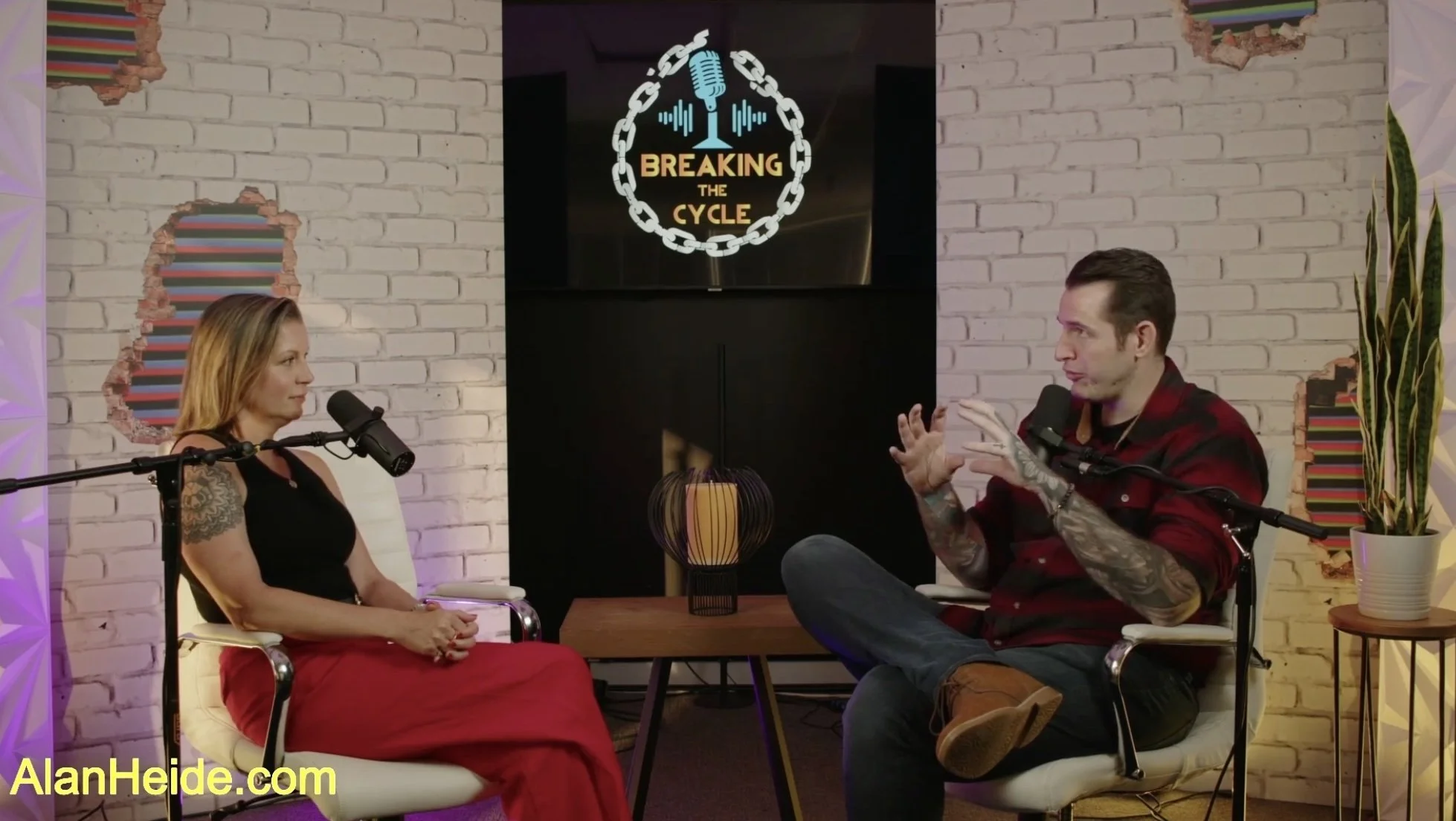
Featured in…
I was honored to be interviewed on Breaking Free Recovery Radio.
This episode will help you get to know me and know more about what it’s like to work together. Enjoy!

This interview with Voyage Dallas explores some of the modalities I use to help my clients. I hope you find it helpful!